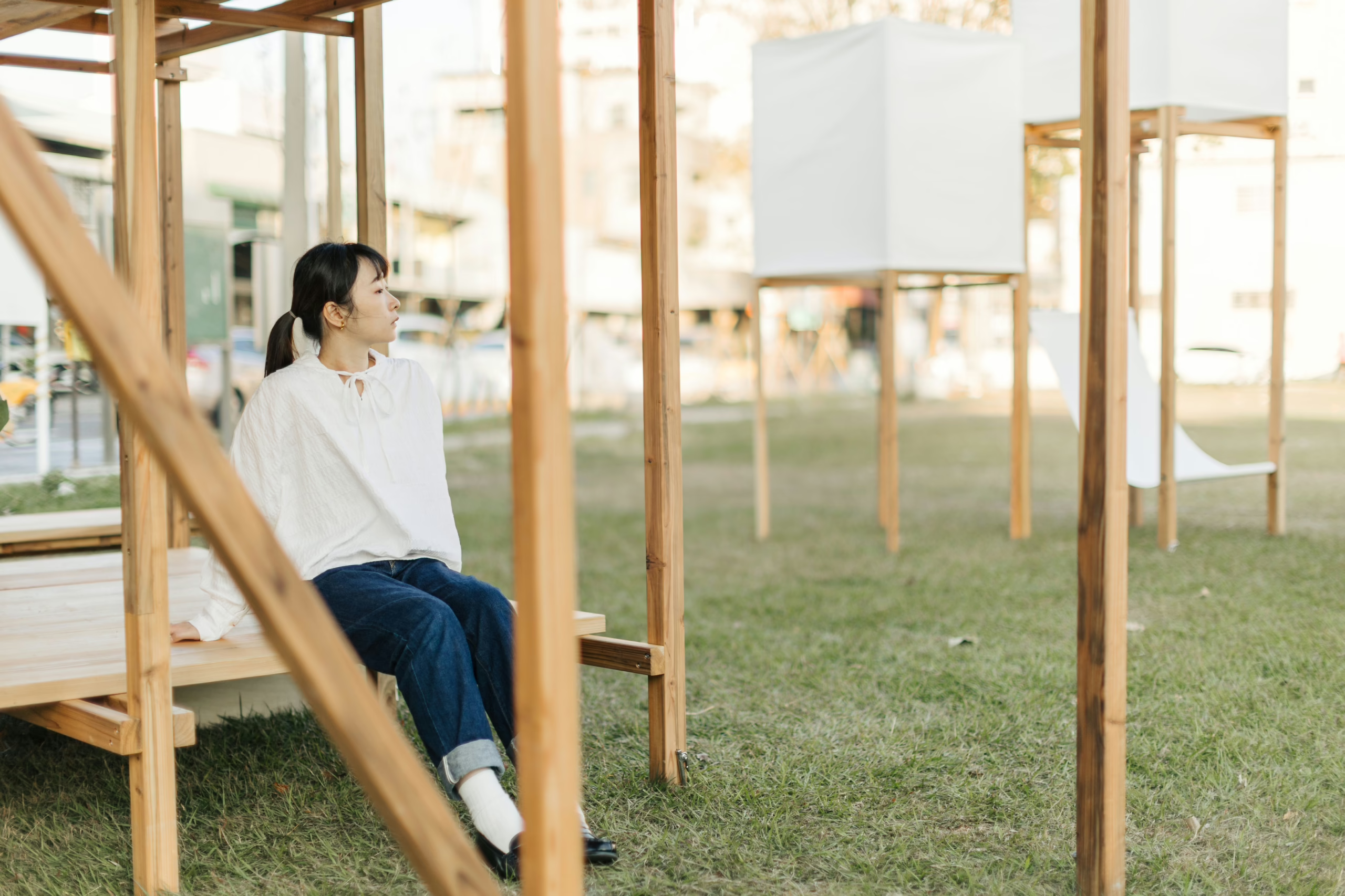
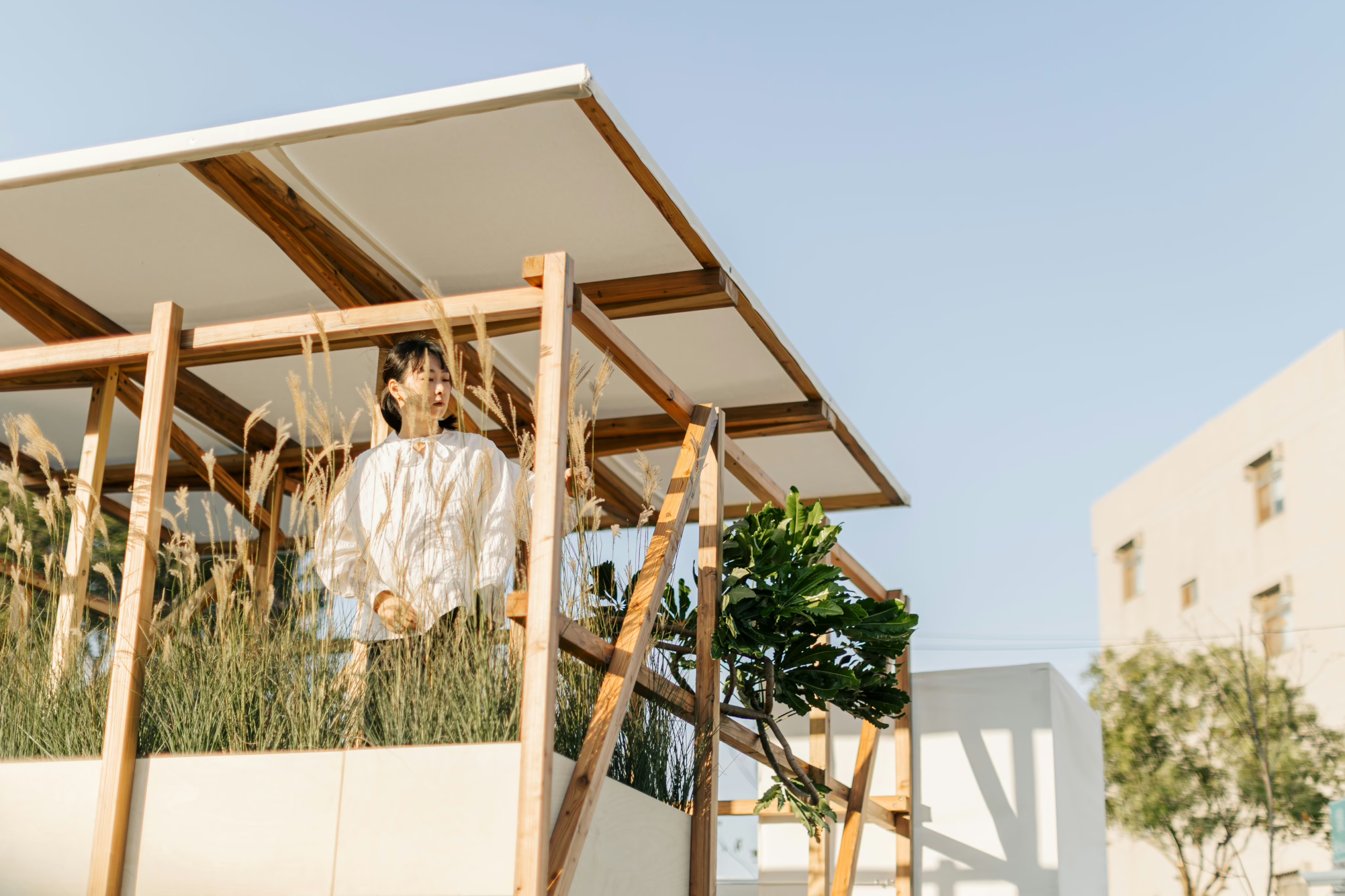
In the early morning, croquet players can be seen intently lining up their shots. In the evening, the sounds of children playing soccer and laughing fill the air. Surrounded by low-density, low-rise houses, further out, the outlines of towering apartment buildings gradually emerge. Liguang Park has become the perfect place to observe urban development, connecting the past and future.
The winter sunlight slants down, illuminating the arcs of croquet balls, the edges of treetops, and the trails of laughter.
People quietly share the same patch of sunlight, while at night, the gentle breeze folds these sounds back into silence.
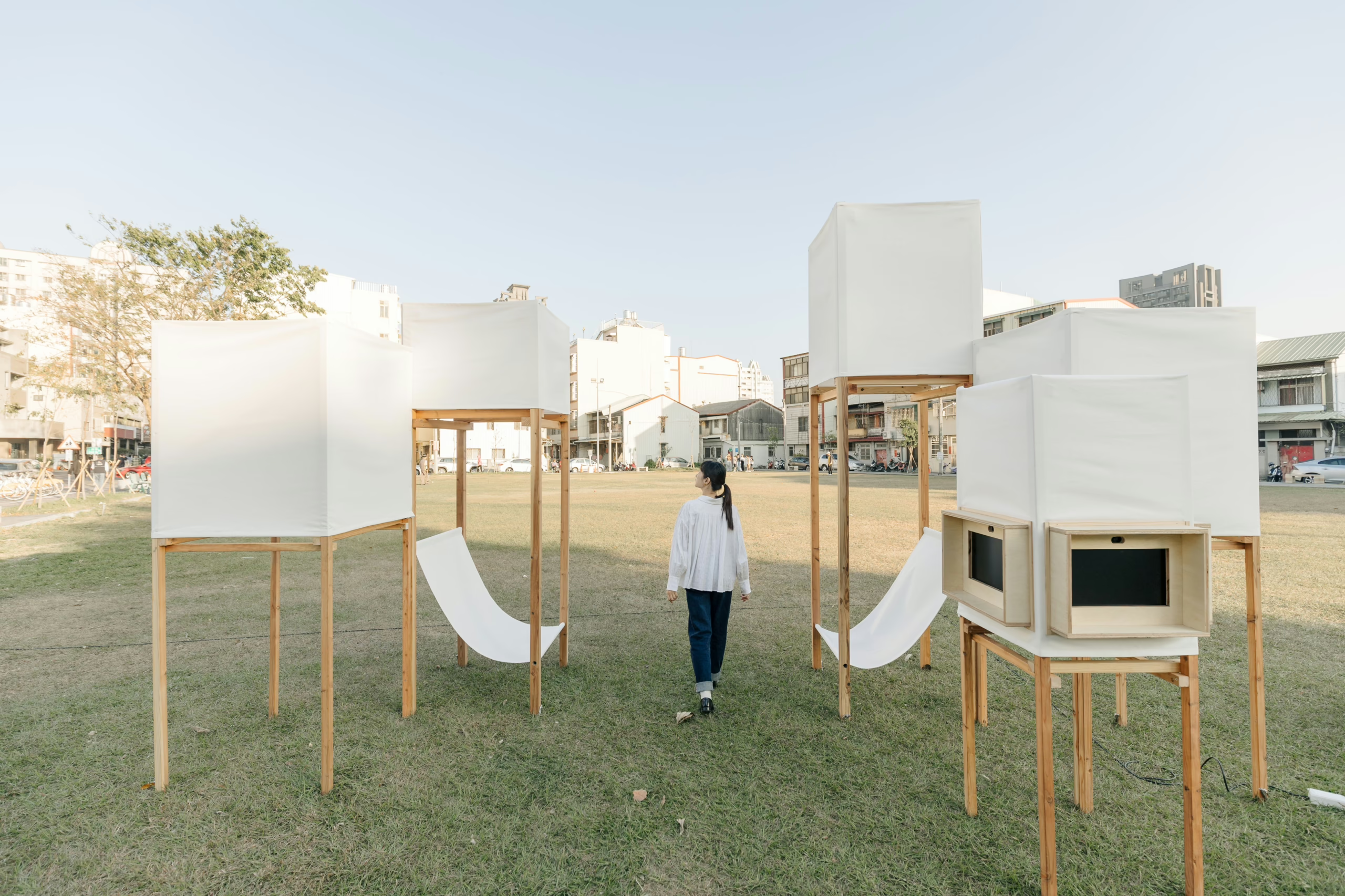
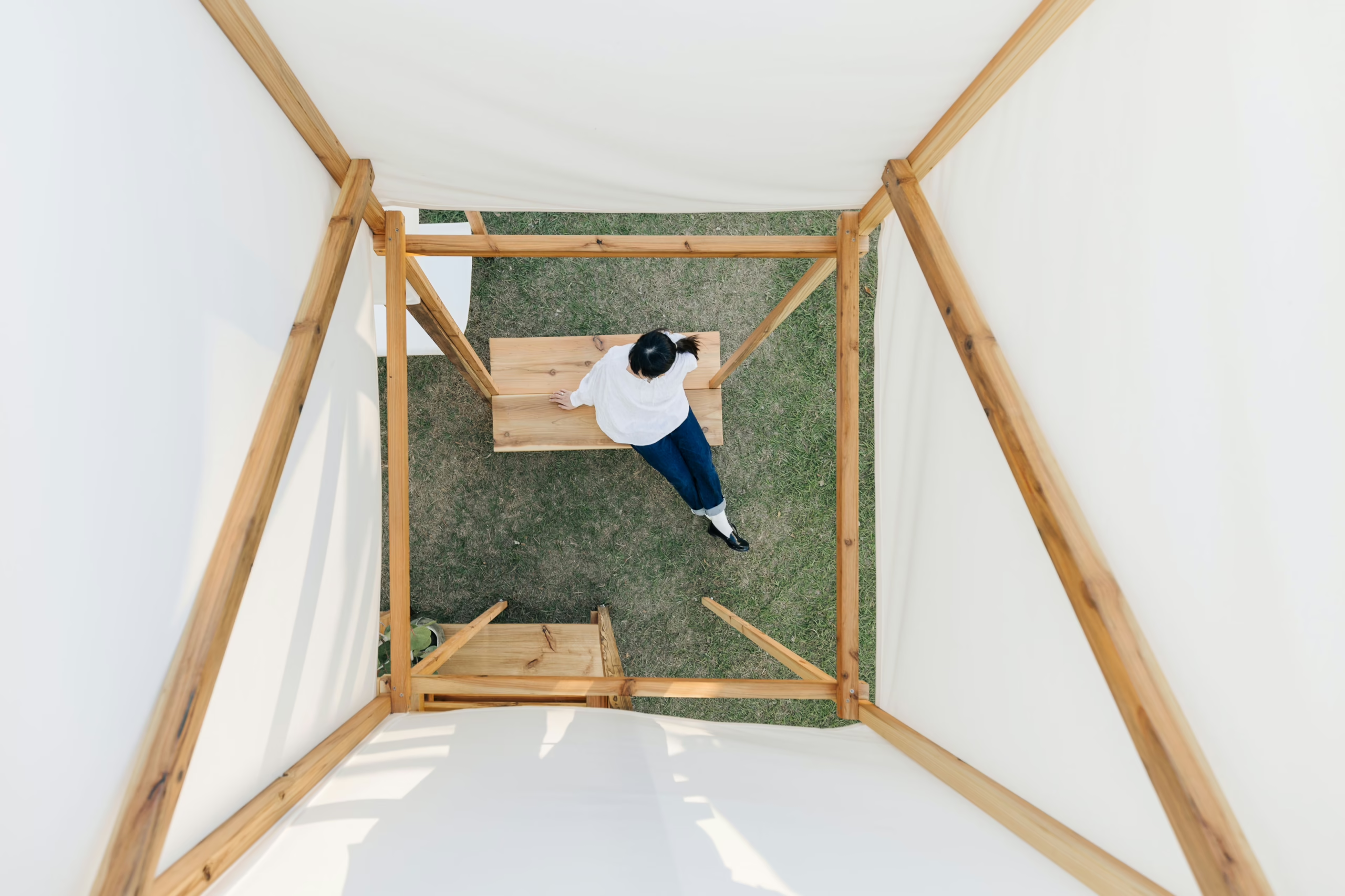
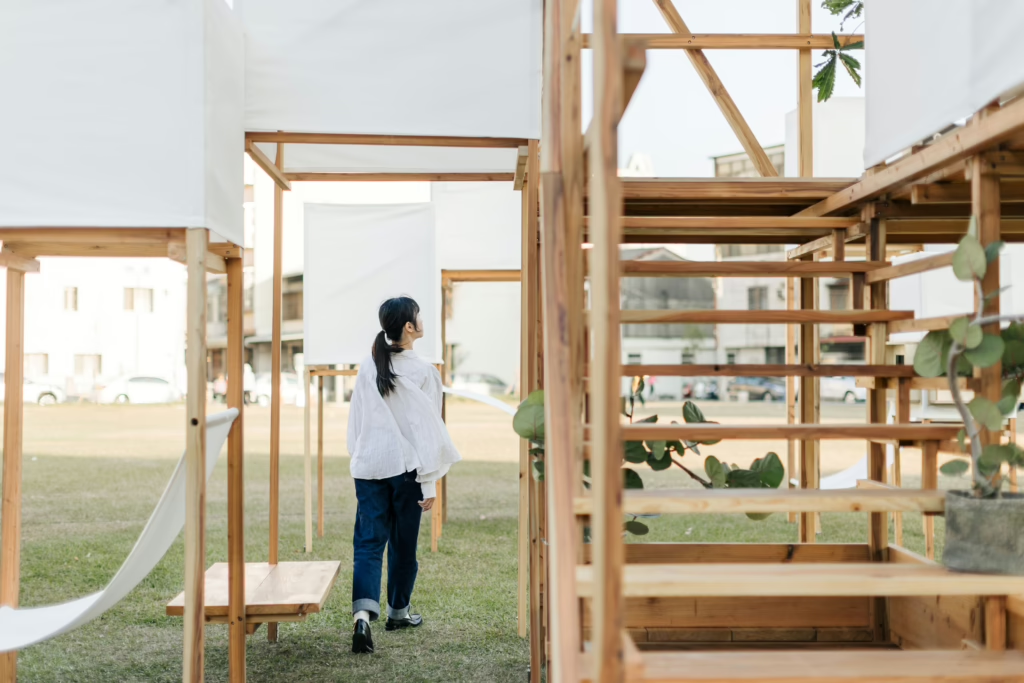
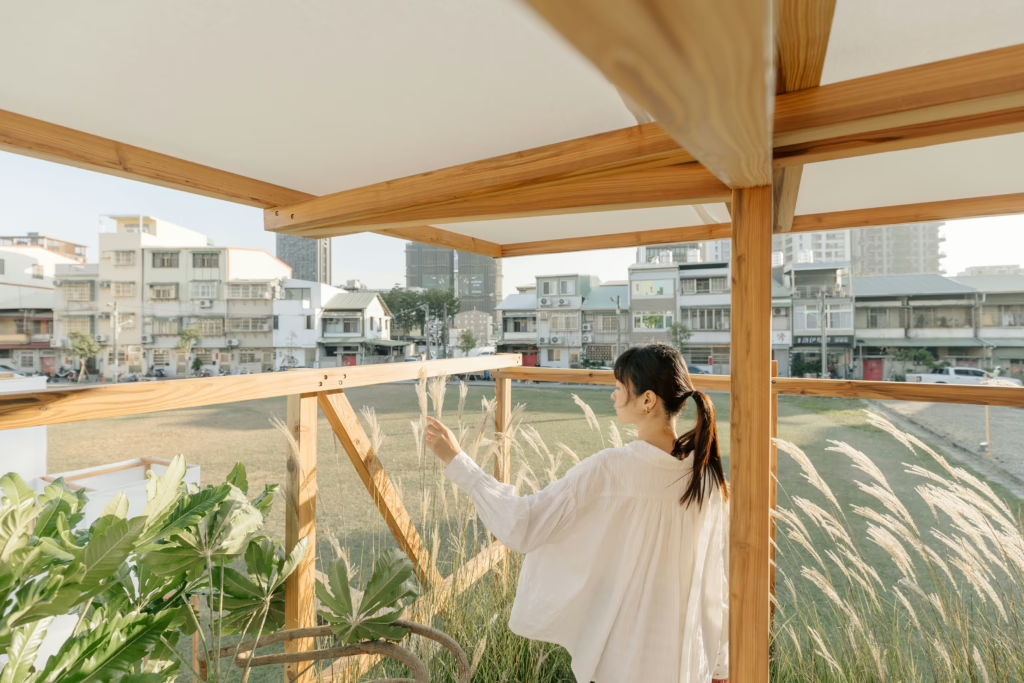
This gathering and dispersal of light inspired the design team to construct a wooden platform in a corner of the park. Here, people read, talk, sip their drinks, or take a stroll, while sunlight reflects off the railings and the pages of their books.
This installation seeks to find moments of urban folding that exist between movement and stillness. The installation is constructed from layers of wooden planks that create changes in light and shadow as sunlight shifts. Its lower level combines the “scent” of books with a meditation corner, creating an everyday space. The upper level, inspired by plants, is a rooftop garden where people can read, think, and coexist with nature in a quiet setting.
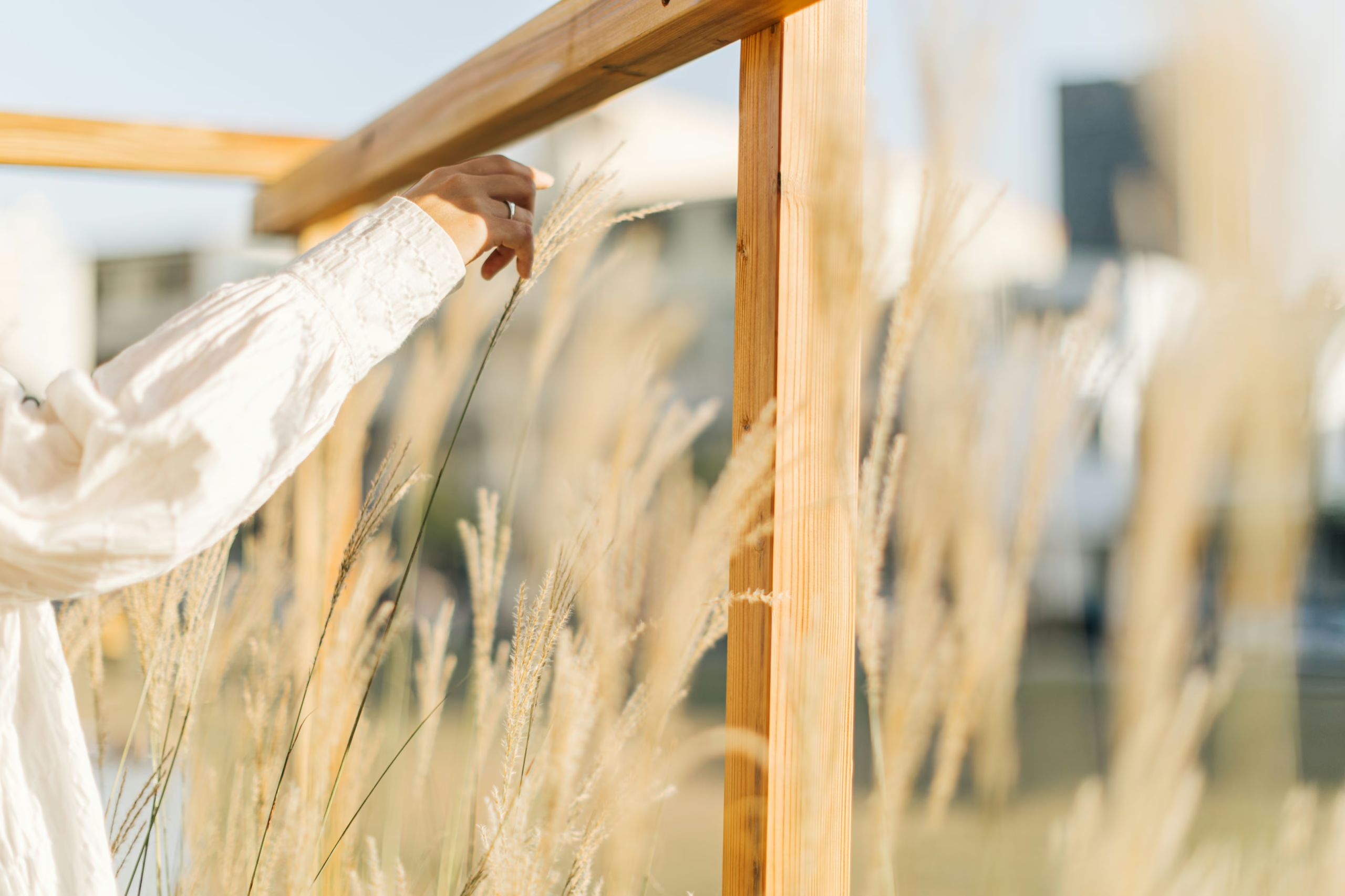
The platform is also an experimental lab of sorts for the use of folded language. Visitors can begin a conversation with strangers with a simple “Hi, I am _____.” The sentence is folded, translated, and then passed on to the next participant. At the same time, it is also a room where plants are used as language. Visitors can choose a specific plant to care for and leave a voice message for the next caregiver, thus allowing these plants to become a medium for interpersonal connection. Acts of caring and listening then become new ways of connecting.
This piece of artwork is also connected to an exhibition area in the distance. It allows viewers to see that area, while also being seen from it. As light and information flow back and forth, these gazes become a wordless dialogue. When “seeing” and “being seen” occur at the same time, haven’t we arrived at one of the most classic urban encounters?
藝術家
涂以仁 Izen Tu
伊德設計 I’DER Design創意總監
設計師、教育者與品牌策劃者,現任伊德設計創意總監、空氣圖書館品牌總監、嶺東科技大學視覺傳達設計系副教授。 長期以整合設計推動臺灣地方創生與美學經濟,作品橫跨品牌、建築與文化策展領域。曾以「看見.臺灣 阿里山」展獲 DFA 亞洲最具影響力設計獎,「森,2488」獲 Red Dot 紅點設計獎、「阿里山森林四季提案」獲日本 Good Design Award,設計語言源於自然,持續探索設計如何轉譯土地情感。